
DAMAX · Wholesale supply formats
Compare the complete work and components behind a quotation, not only the price of the aluminium.
Profiles, cut-to-size frame kits and assembled picture frames describe different supply formats. These terms are useful starting points, but suppliers may include different components under the same label. Always request a written list of what is supplied and what your team must complete.
What is the difference?
| Supply format | Typical meaning | Confirm before ordering |
|---|---|---|
| Aluminium frame profiles / mouldings | Profile sections supplied for a workshop to cut and build frames | Supplied length, finish, section drawing, connectors, handling and packing |
| Cut-to-size frame kit | Rails prepared for specified frame dimensions, with assembly still required | How size is defined, cut preparation, corner fittings, instructions and whether glazing/backing are included |
| Assembled picture frame | The frame rails are already joined; additional components depend on the agreed build | Front panel, backing, retainers, hangers, labels, artwork insertion and individual packing |
A four-sided assembled frame is not necessarily a complete retail-ready product. Likewise, the word “kit” does not guarantee that every fitting or front panel is included. State the exact finished product you need.
A practical supply-format decision
| Your situation | Format to discuss | Confirm before ordering |
|---|---|---|
| A workshop already cuts and assembles frames for changing artwork sizes | Profile stock | Stock lengths, cutting yield, compatible corner fittings, finish protection and local assembly |
| A repeat size range is assembled locally, but local cutting is inconvenient | Cut-to-size kits, subject to availability | Agreed size definition, included fittings, SKU separation and assembly instructions |
| A brand, printer or wholesaler wants to source joined frames | Assembled frames | Front panel, backing, retention, hanging hardware, artwork insertion and individual packing scope |
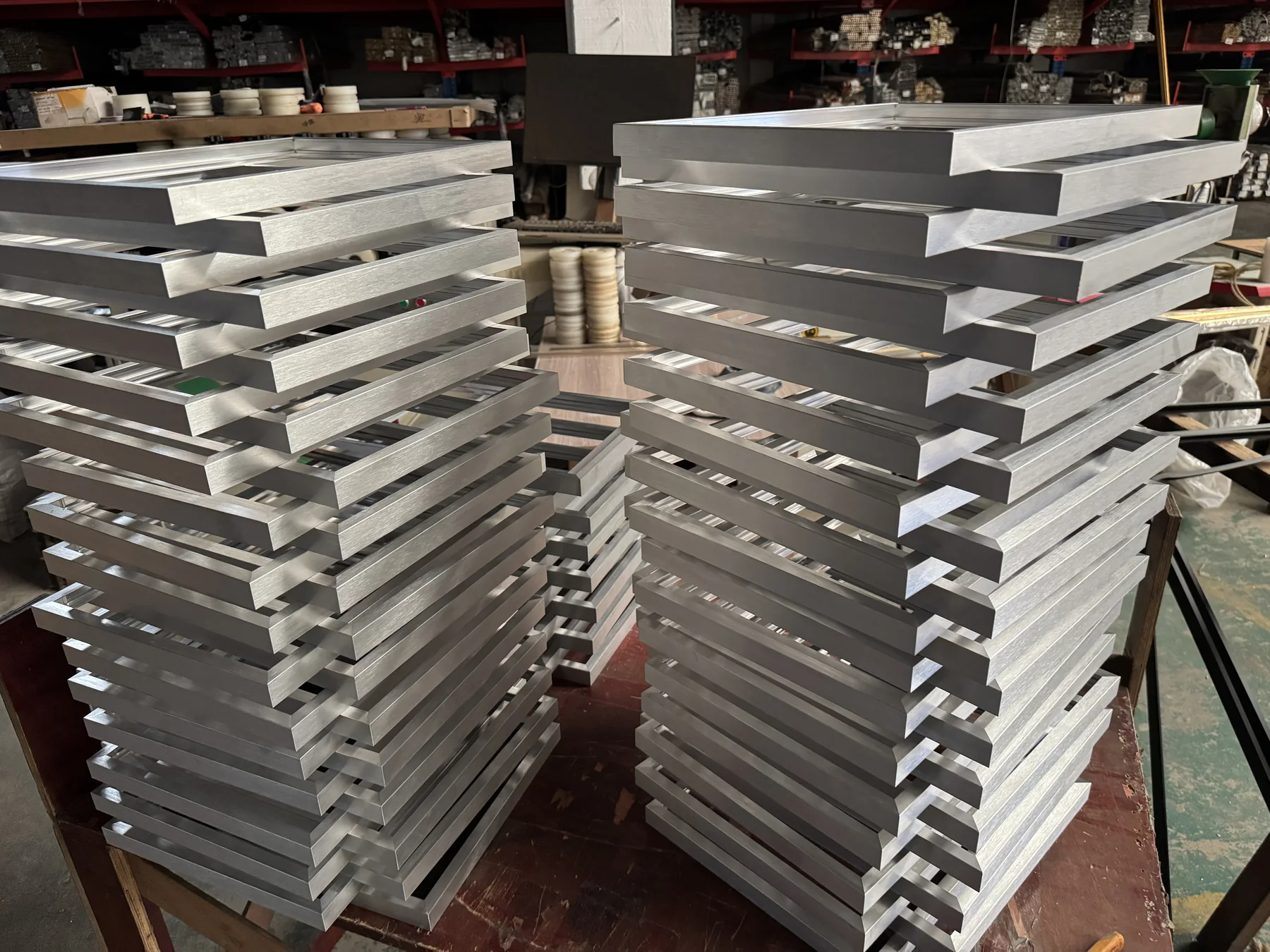
If your team has no cutting or assembly operation, start the discussion with the assembled-frame quotation. Provide the size mix and components needed for your finished product. Compare available frame profiles and styles before finalising a model.
Which format fits your business?
Frame shops with cutting and assembly equipment
Profile stock may suit a workshop serving many artwork sizes. The buyer takes responsibility for the local cutting plan, compatible fittings, assembly labour and handling. Check whether available stock lengths work with your size mix and shipping route.
Businesses assembling a repeat size range
Cut-to-size kits can reduce local cutting work when the sizes are established. Confirm size labels, packing by SKU, fittings and the assembly process. Review one complete build before assuming that a kit will fit your current workshop system.
Poster brands, print businesses and wholesalers sourcing complete frames
Assembled frames allow the discussion to focus on the finished frame specification and how the product will be sold or used. DAMAX’s wholesale frame programme focuses on assembled aluminium picture frames. Confirm the front panel, backing, fittings and packaging to be included in your quotation. Tell us if you need profiles or another supply format so availability can be reviewed.
Compare total cost on the same specification
A price per metre and a price per finished frame cannot be compared directly. Build a like-for-like cost sheet that includes:
- Product scope: profile, finish, rail preparation, fittings, front panel and backing.
- Local work: cutting, assembly, artwork insertion, inspection and repacking.
- Material use: cutting yield, offcuts and the agreed quantity for each size.
- Packing and freight: protection, carton dimensions, gross weight, destination and delivery terms.
- Order setup: samples, artwork or label setup and any confirmed tooling requirements.
Do not assume that one format is always cheapest to ship. Long profiles and assembled frames create different package shapes, and freight depends on the actual packed dimensions, weight and route.
A comparison worksheet for each proposed build
Ask suppliers to complete the same items for your exact size and quantity mix. Keep the quoted product unit visible: a metre of profile, a kit and an assembled frame describe different scopes.
| Cost or work item | Information to record |
|---|---|
| Product and unit | Model, finish, components, quoted unit, currency and order quantities |
| Preparation | Who cuts, joins and inspects the rails; any workshop equipment required |
| Additional components | Front panel, mount, backing, corner fittings, retention and hangers included or excluded |
| Local completion | Artwork insertion, labour, handling, inspection and repacking still required |
| Packing | Protection and carton price, units per carton, packed dimensions and gross weight |
| Transport and delivery scope | Destination, transport quotation, included delivery costs and excluded charges |
| Samples and setup | Separate one-time costs, approval steps and production timing |
Compare the total work and delivery scope on the same finished-frame specification. A lower product price can leave more components, labour or packing to purchase separately.
Ask for packaging information and a representative sample
- For profiles: check length protection, separation between finished surfaces and bundle handling.
- For kits: confirm that sizes, corners and fittings can be identified without mixing SKUs.
- For assembled frames: check corner protection, surface separation, front-panel protection and backing retention.
- For every format: request carton quantity, packed dimensions and gross weight for the proposed build.
Review the sample against your intended unpacking and assembly workflow. Photographs can clarify what is included, but they do not establish shipping performance or load capacity.
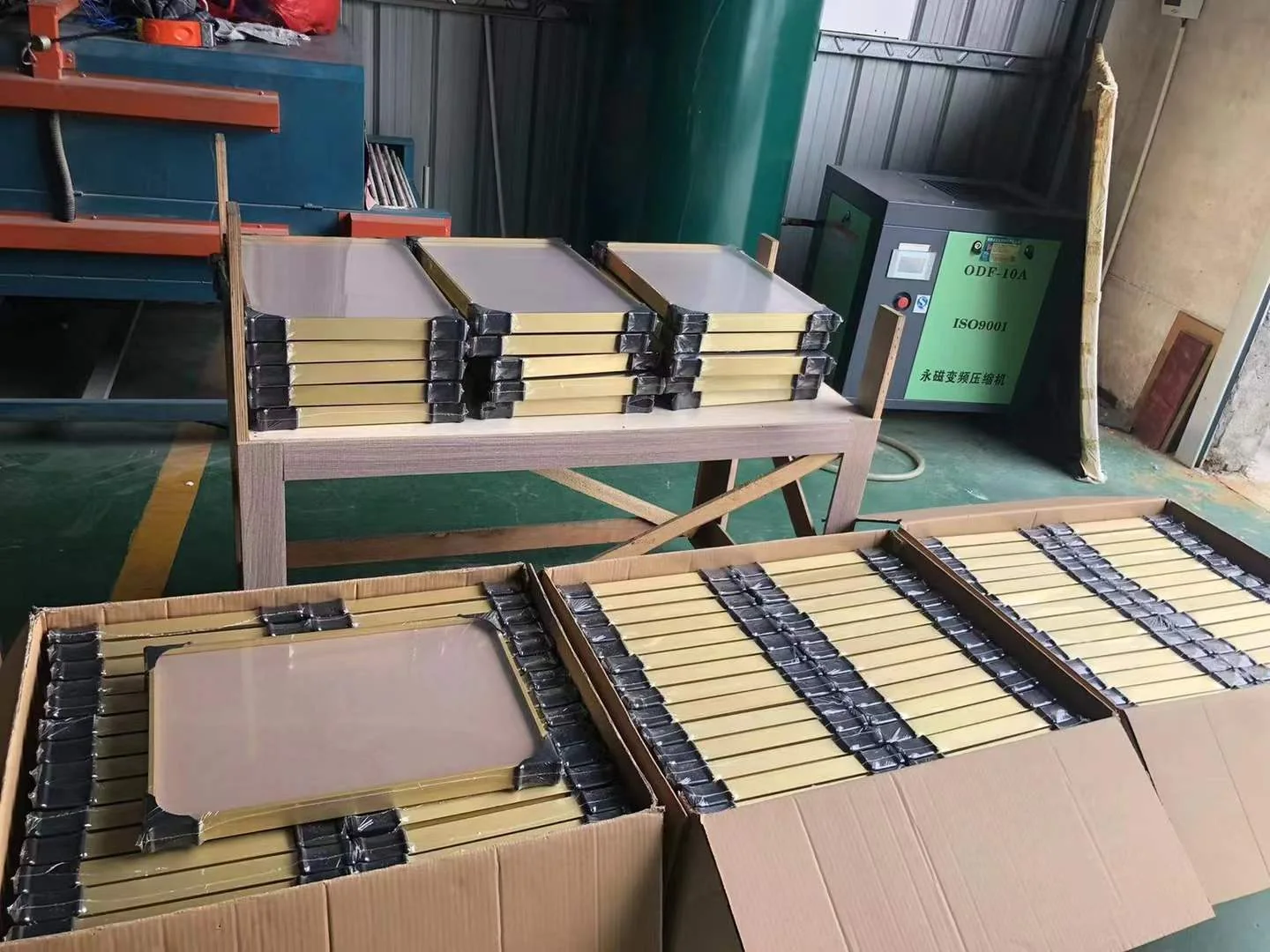
Put the agreed details into the quotation checklist so product and transport can be discussed on the same basis.
“We need [profiles / cut-to-size kits / assembled frames] for [sizes and quantities]. Please itemise the components, local assembly required, packing and freight quotation basis.”
Use the wholesale quote checklist to prepare your size mix and component list, or review how to choose a suitable profile.
Discuss your frame requirements with DAMAX
Share your company, destination, artwork sizes, finish and estimated quantity. We will review the proposed specification and confirm quotation and sample options.
Request a business frame quote · Explore frames and profiles